Timber floors sanded, repaired and coated across greater Sydney — houses, terraces and strata apartments, including the acoustic underlay and approval paperwork your owners corporation will ask for. Licensed contractors, priced per square metre.
No obligation. Takes 30 seconds.
The jobs that come up most. Pick what's closest to your situation — or just tell us what's happening and we'll work it out.
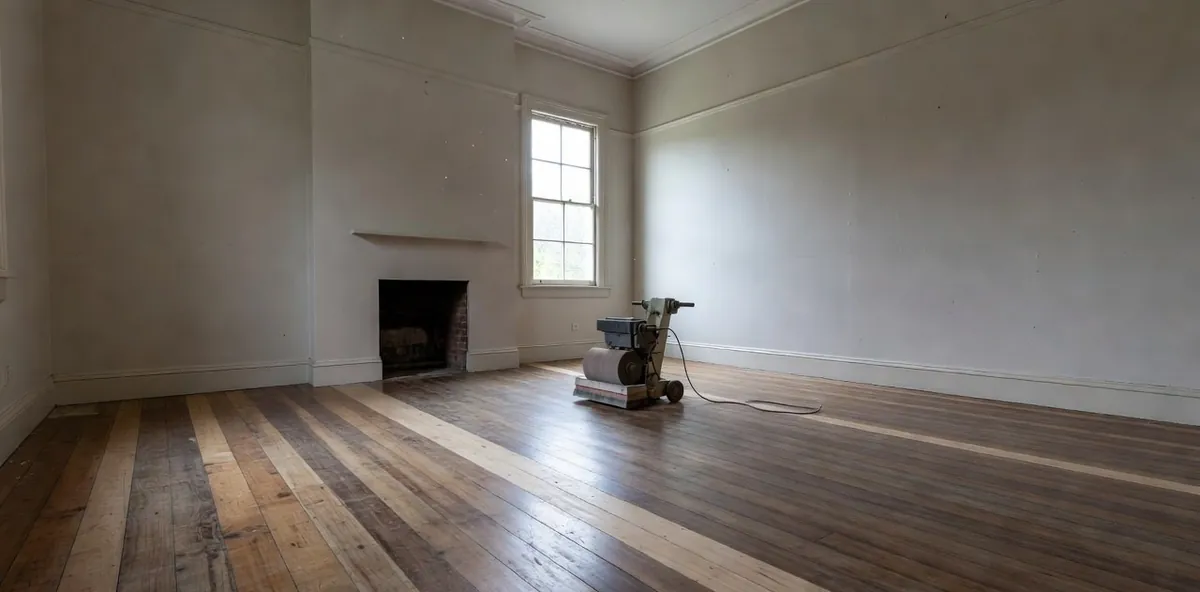
The core job — taking a tired timber floor back to bare wood.
Read more →Getting owners corporation approval before the floor goes in — in the right order.
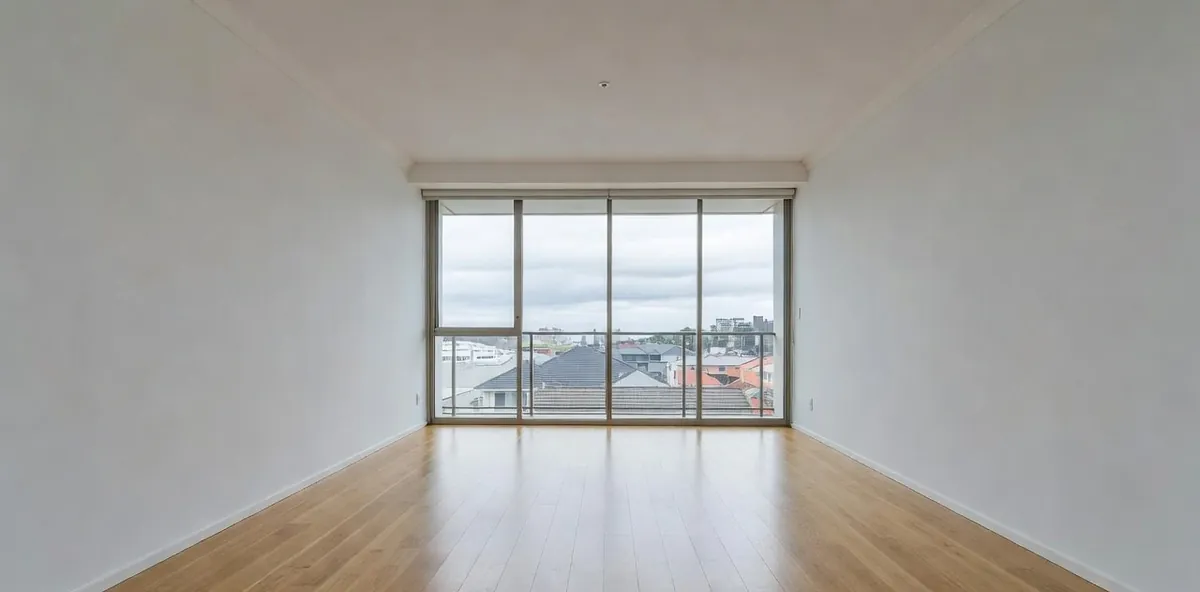
Read more →Meeting the noise rating your by-law sets — and proving it.
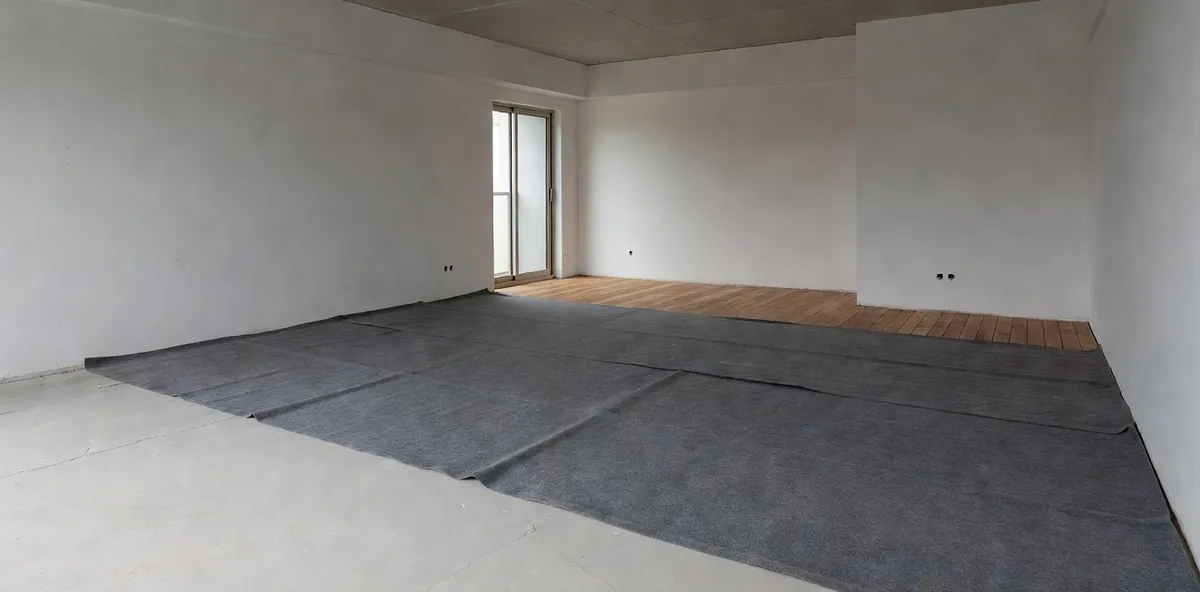
Read more →The softwood under most inner-Sydney terraces, and why it's treated differently.
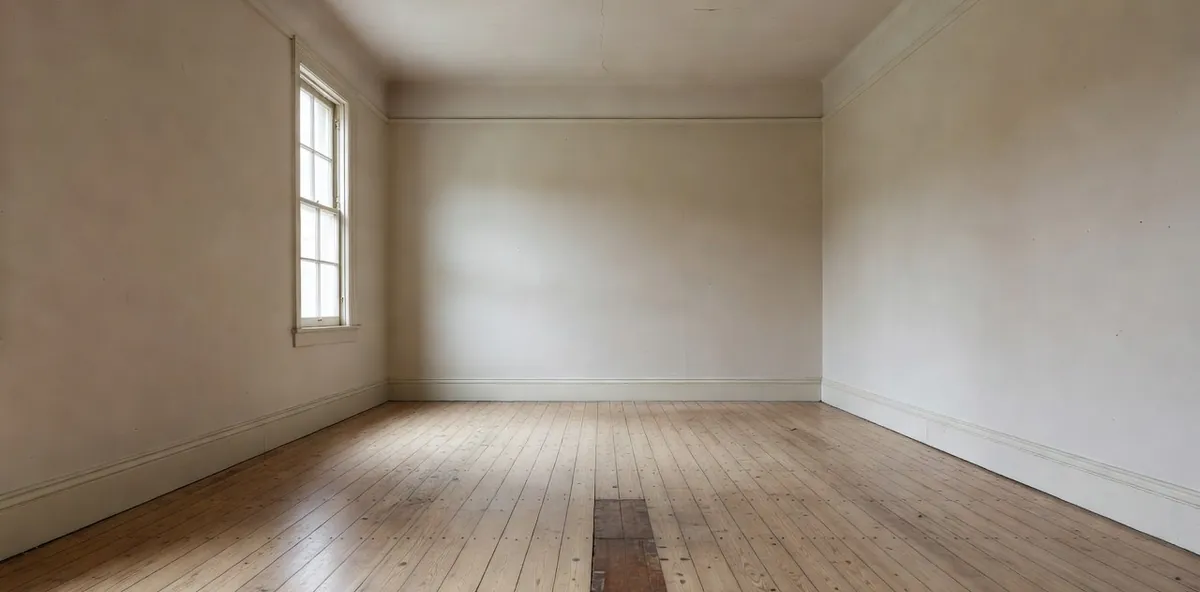
Read more →The finish itself — water-based or solvent, and how many coats.
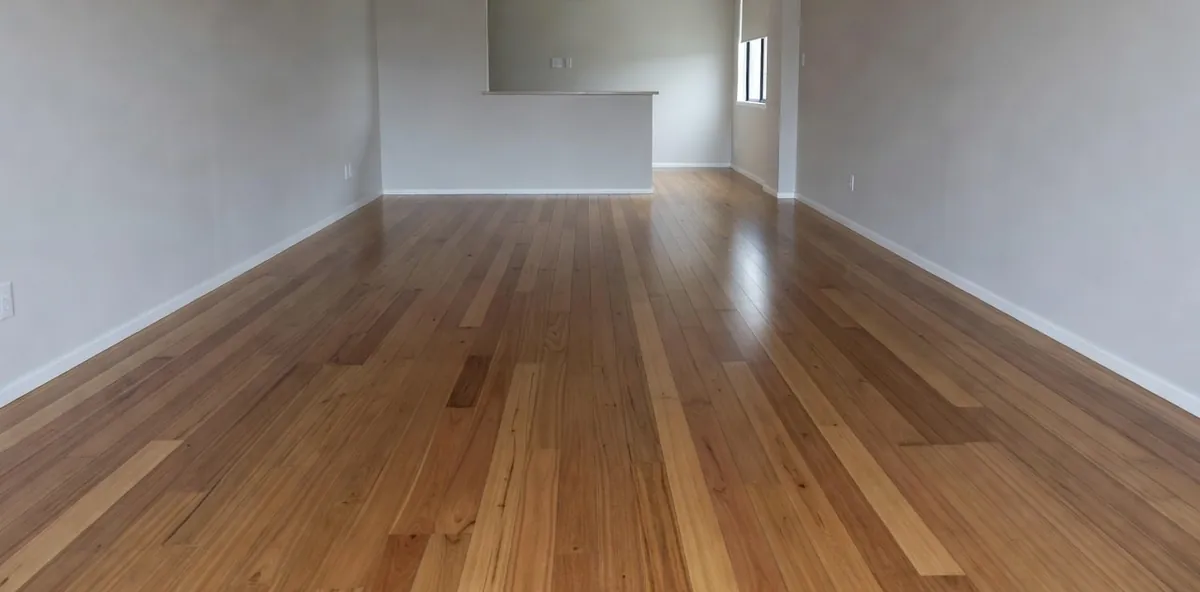
Read more →Refreshing a worn finish without spending the floor's remaining thickness.
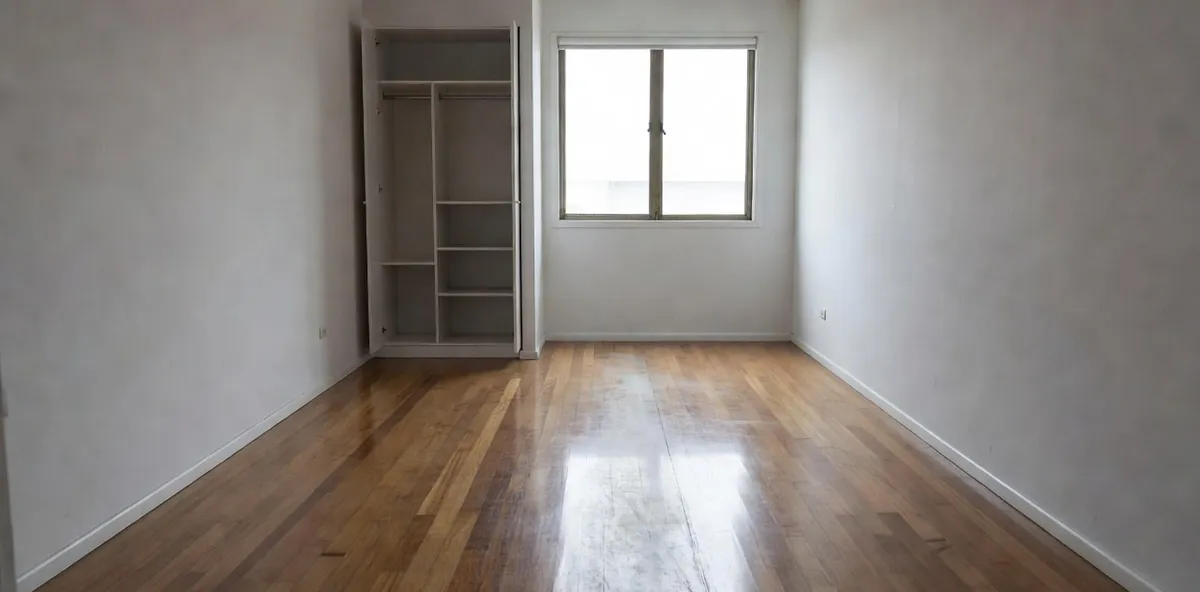
Read more →Replacing damaged or cut boards before sanding — and the matching problem.
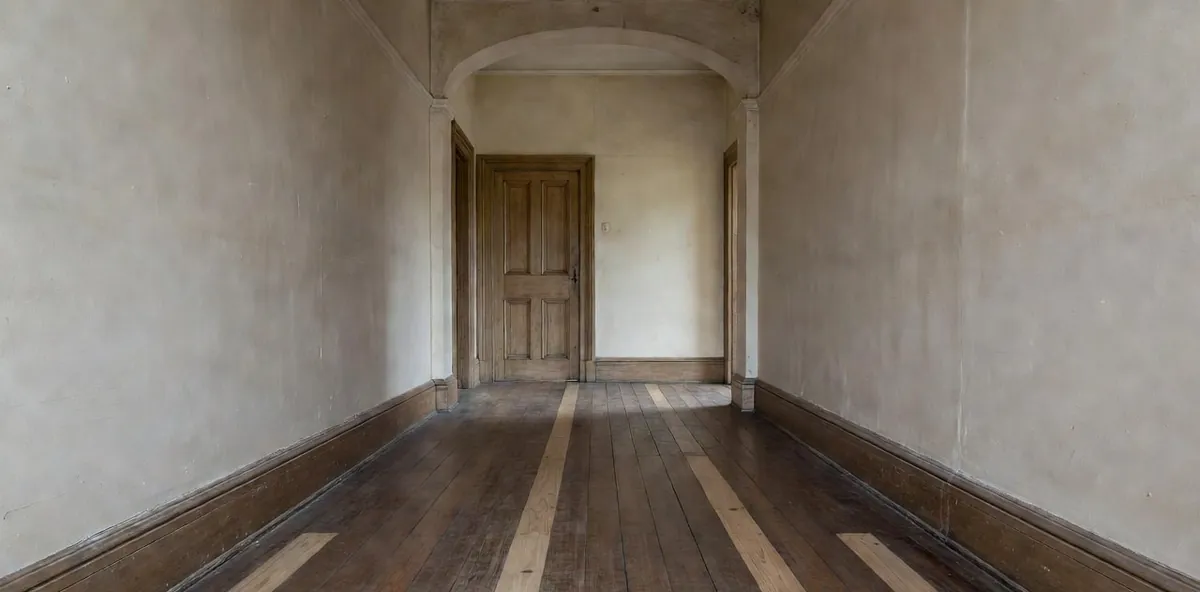
Read more →Block and mosaic parquetry — slower, more skilled, and easy to ruin.
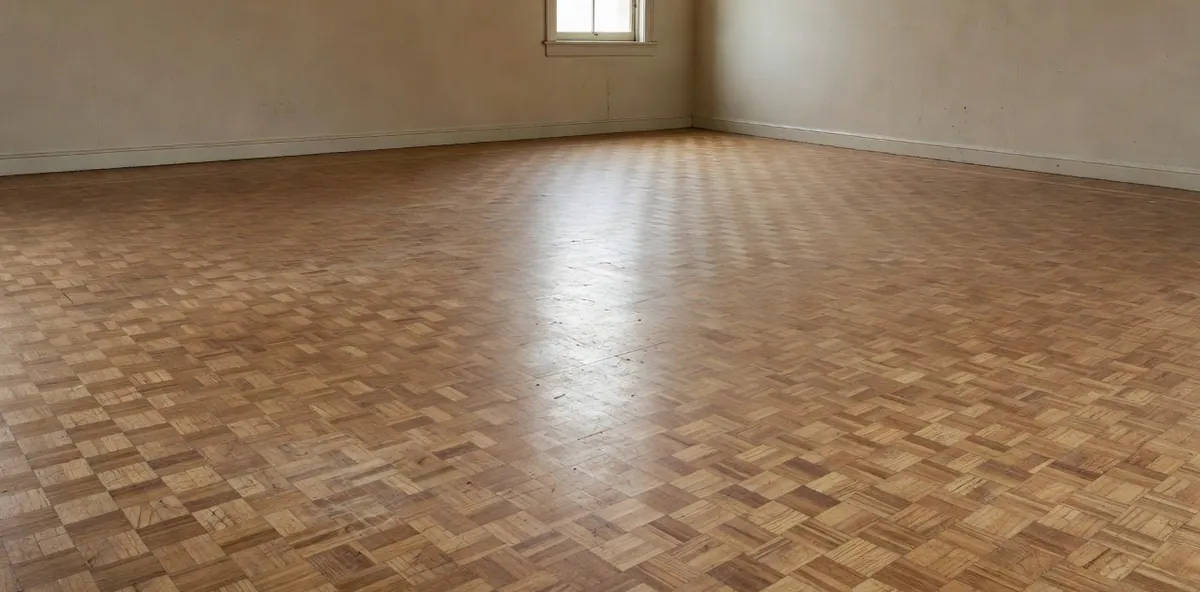
Read more →Sand and polish runs $40 to $70 a square metre — a three-bedroom home lands around $4,400 to $7,500, a two-bedroom apartment $2,800 to $4,900. Acoustic underlay for strata is a separate $25 to $60.
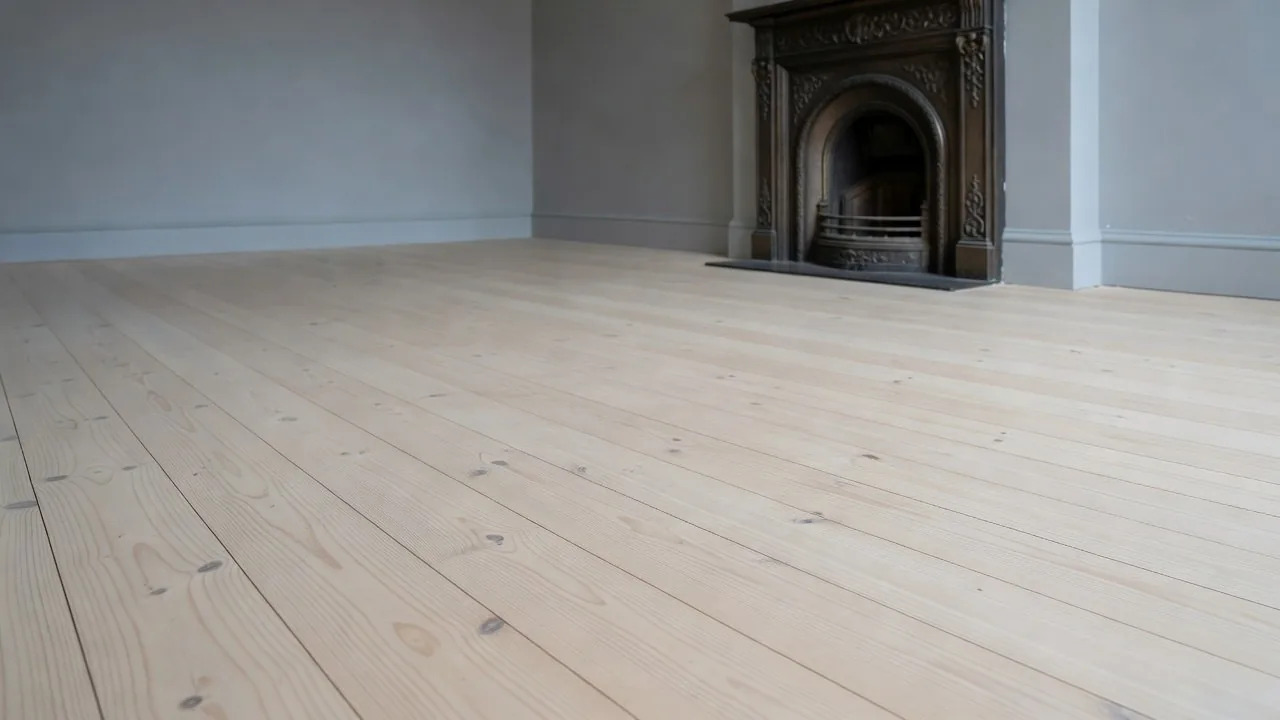
Three things shape a floor job in Sydney, and two of them are about permission rather than timber.
Under the Strata Schemes Management Act 2015, replacing carpet with timber or any other hard floor is a minor renovation — which means you need approval from the owners corporation by ordinary resolution before the work starts, with fourteen days' written notice of the meeting. Some schemes have registered a by-law delegating that decision to the strata committee, which is faster. Either way the sequence matters: owners who book the floor first and seek approval afterwards are the ones who end up ripping it out. Sanding an existing timber floor you already have is a different question, and usually a much easier one.
Objections to hard flooring are almost never about the timber. They are about the noise the neighbour below will hear. Most Sydney schemes have a by-law setting a minimum acoustic performance for hard floors, and those by-laws typically borrow the National Construction Code figure for floors between apartments — an impact rating of Ln,w no more than 62 in the lab, or LnT,w no more than 62 tested in the building. Meeting it is a matter of specifying the right acoustic underlay and producing the test report with your application. Read your scheme's by-law first, because some set a stricter number than the Code does.
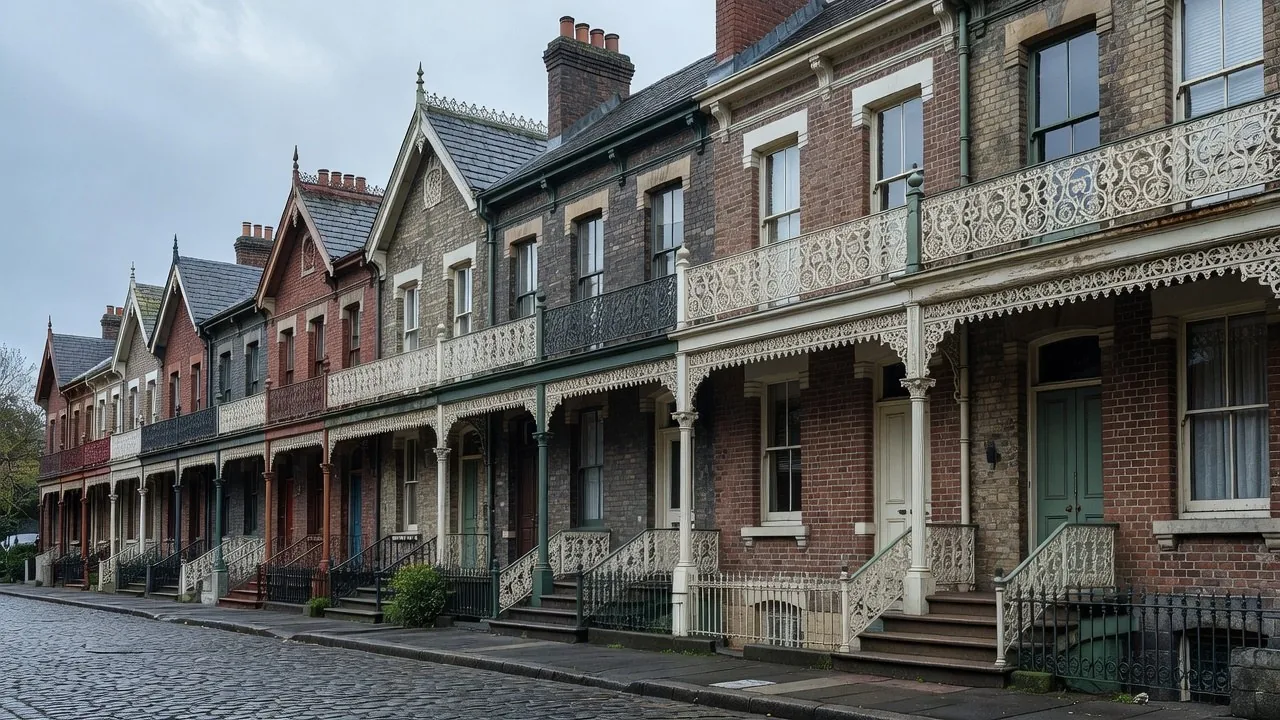
Terraces and Federation homes across Newtown, Glebe, Surry Hills, Balmain and Paddington were commonly floored in imported baltic pine rather than Australian hardwood. It is a softer timber, often narrower, frequently already sanded two or three times across a century, and it takes stain very differently from the tallowwood and blackbutt used later. Treating a baltic pine floor like hardwood is how they get ruined. The first job on any old inner-west floor is establishing what the timber actually is and how much of it is left.

The thread running through all three is that a Sydney floor job is rarely just about timber. It's about what your building will let you do, what the neighbour below will hear, and how much of a hundred-year-old floor is actually left.
Licensed contractors who know the strata process, because in Sydney the approval is usually harder than the floor.
There's no specialist floor-sanding ticket in NSW, so what matters is a current contractor licence for general building work. Every contractor referred here holds one and the register is free to search.
Approval before installation, the acoustic by-law, and the test report the owners corporation will ask for. Getting that order right is most of the job in an apartment.
Baltic pine, hardwood or engineered — they take stain differently and they have different amounts of life left. That's the first question on any old Sydney floor.
Measured and quoted properly, with coats and any acoustic work itemised separately.
Two separate sets of rules apply to a Sydney floor: who is allowed to do the work, and — if you are in a strata building — whether you are allowed to have the floor at all. People usually find out about the second one too late.
Approval is required for:
Approval is not required for:
The register is free and public — search the licence number before work starts. Working unlicensed carries fines of up to $22,000 for an individual and $110,000 for a company, and it matters to you because unlicensed work sits outside the statutory warranties and the compensation scheme. Source: City of Sydney. There's no floor-sanding licence class in NSW at all — it's general building work over $5,000. And in a strata lot, changing from carpet to timber needs owners corporation approval first.
Full permit rules explainedCoverage runs across greater Sydney — the inner-west and eastern terraces where the old boards are, the apartment stock through the CBD and lower north shore, and out to Parramatta and the Hills.

Usually no. Re-sanding and recoating a hard floor that is already in place and already approved doesn't change the acoustic performance your scheme signed off on, so it's normally treated as maintenance. What does need approval is replacing carpet with a hard floor — that's a minor renovation under s.110 of the Strata Schemes Management Act 2015 and needs an ordinary resolution of the owners corporation. Check your by-laws either way; some schemes are stricter than the Act requires.
Read the by-law, because the number is set there rather than by any single state-wide rule. Most Sydney schemes borrow the National Construction Code figure for floors between apartments — impact sound of Ln,w no more than 62 measured in a laboratory, or LnT,w no more than 62 tested in the building itself. Some schemes set a stricter figure. Your installer specifies an underlay that achieves it and supplies the test report with the application.
There's no floor-sanding-specific licence here, unlike Queensland. It falls under general building work, which requires a contractor licence for anything valued over $5,000 in labour and materials including GST — so most whole-floor jobs. Licences come from Building Commission NSW, which took the function over from Fair Trading in 2025, and the register is free to search.
Imported softwood used widely in Sydney terraces and Federation homes, typically narrower boards and noticeably softer than Australian hardwood. If you're in an inner-west or eastern-suburbs terrace, it's likely. It matters because it's often been sanded two or three times already over a century, so there may be very little thickness left, and because it blotches with dark stain in a way hardwood doesn't.
A solid hardwood floor typically has three to five full sands in it across its life. Old baltic pine in a terrace may have had most of that spent already. Engineered boards may allow one light sand or none. This is why a recoat is worth asking about where the timber is sound and only the finish is tired — it uses none of that remaining budget.
If the work is residential and valued at $20,000 or more including GST, your contractor must hold Home Building Compensation Fund cover before starting or taking a deposit. Most single floor jobs land under that, but a large house or a floor plus other work can cross it. It's the contractor's obligation, not yours — but it's yours to check.
A typical three-bedroom home is three to five days including coats; an apartment is often less. You can usually stay if you can live around a closed-off area, but the finish needs curing time — light foot traffic after a day or so, rugs and heavy furniture considerably later. In a unit, check your building's permitted working hours before booking.
Yes — greater Sydney, west to Parramatta and Penrith, north to Hornsby, and south to Cronulla. Licensing is set at state level so nothing changes across council boundaries. Strata by-laws, on the other hand, are specific to your individual building.
Tell us the suburb, the rough area, and whether it's a house or an apartment.
Call 0468 165 354